Learn
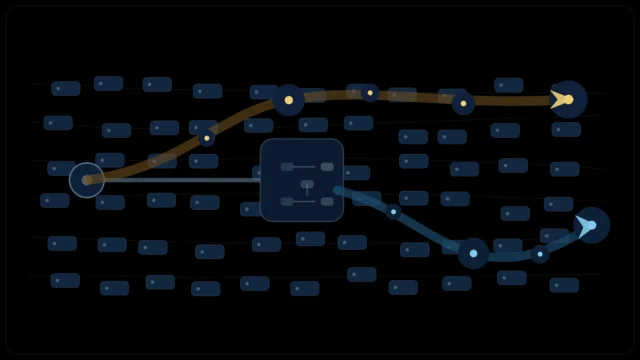
Bitcoin RBF Explained: How to Speed Up a Stuck Transaction
A practical Bitcoin RBF guide with current Core 31 policy, RBF-vs-CPFP decisions, worked fee math, wallet failure modes and zero-confirmation risks.


Bitcoin, Ethereum and digital asset news
Category
Learn coverage provides evergreen crypto explainers for readers who want durable context before reacting to news. BTC-Pulse breaks down Bitcoin, Ethereum, DeFi, stablecoins, exchanges, security, tokenization and regulation in practical language built for reference, not hype.
A practical Bitcoin RBF guide with current Core 31 policy, RBF-vs-CPFP decisions, worked fee math, wallet failure modes and zero-confirmation risks.

A practical guide to identifying USDC and USDC.e, checking the receiving service, comparing transfer costs, and diagnosing deposits that have not been…

A failed USDT payment can consume TRX without moving your tokens; learn how to check the receipt, identify the cause, and avoid…

Bitcoin coin selection shapes wallet fees, privacy and treasury controls by deciding which UTXOs are spent in each transaction and which remain…

Bitcoin finality depends on confirmations and reorg risk, shaping how exchanges, custodians and institutions set practical settlement thresholds.

Running a Bitcoin full node lets users verify blocks and transactions directly, reducing reliance on exchanges, wallets or public block explorers.

Bitcoin change outputs return leftover value to the sender, affecting wallet privacy, fee efficiency and transaction accounting after each payment.
Bitcoin’s UTXO model and coin control shape how wallets choose inputs, manage privacy, organize balances and reduce transaction costs over time.

Bitcoin market structure depends on liquidity, depth and execution quality more than short-term price moves or isolated headline volatility.

Bitcoin’s difficulty adjustment keeps block production predictable as hash rate changes, protecting issuance cadence and confirmation timing.